How AI is Transforming Cybersecurity Practices

Cybersecurity is no longer just about firewalls and antivirus software. The digital world is evolving fast, and so are the threats. Enter artificial intelligence (AI) - a game changer in the fight against cybercrime. AI is transforming cybersecurity practices by making defenses smarter, faster, and more adaptive. But how exactly is this happening? Let’s break it down in simple terms.
The Growing Need for Smarter Cybersecurity
Cyber attacks are becoming more sophisticated every day. Hackers use advanced techniques to bypass traditional security measures. This means businesses need tools that can keep up with these evolving threats. AI steps in by analyzing vast amounts of data quickly and spotting patterns that humans might miss.
For example, AI can detect unusual login attempts or strange network activity in real time. This helps organizations respond to threats before they cause damage. It’s like having a security guard who never sleeps and always learns from new experiences.
How AI is Transforming Cybersecurity with Automation and Intelligence
One of the biggest advantages of AI in cybersecurity is automation. AI systems can handle repetitive tasks such as scanning for vulnerabilities or monitoring network traffic. This frees up human experts to focus on more complex problems.
Here are some key ways AI is enhancing cybersecurity:
Threat Detection: AI algorithms analyze data to identify malware, phishing attempts, and other threats faster than traditional methods.
Behavioral Analysis: AI learns normal user behavior and flags anomalies that could indicate a breach.
Incident Response: Automated systems can isolate infected devices or block suspicious IP addresses immediately.
Predictive Analytics: AI predicts potential attack vectors by studying past incidents and emerging trends.
This combination of automation and intelligence means organizations can stay one step ahead of cybercriminals.

Real-World Examples of AI in Cybersecurity
Many industries are already benefiting from AI-driven cybersecurity solutions. For instance:
Financial Services: Banks use AI to detect fraudulent transactions by analyzing spending patterns in real time.
Healthcare: AI helps protect sensitive patient data by identifying unusual access attempts and preventing ransomware attacks.
Retail: E-commerce platforms employ AI to secure payment systems and prevent account takeovers.
Government: Agencies use AI to monitor critical infrastructure and respond quickly to cyber threats.
These examples show how AI is not just a buzzword but a practical tool that enhances security across sectors.
Practical Steps to Integrate AI into Cybersecurity Strategies
Thinking about adopting AI for cybersecurity? Here are some straightforward steps to get started:
Assess Your Current Security Posture: Identify gaps where AI can add value, such as threat detection or incident response.
Choose the Right AI Tools: Look for solutions that fit your organization’s size, industry, and specific needs.
Train Your Team: Ensure your cybersecurity staff understands how to work with AI systems and interpret their outputs.
Start Small: Pilot AI projects in controlled environments before scaling up.
Monitor and Improve: Continuously evaluate AI performance and update models to adapt to new threats.
By following these steps, organizations can smoothly integrate AI into their cybersecurity frameworks.
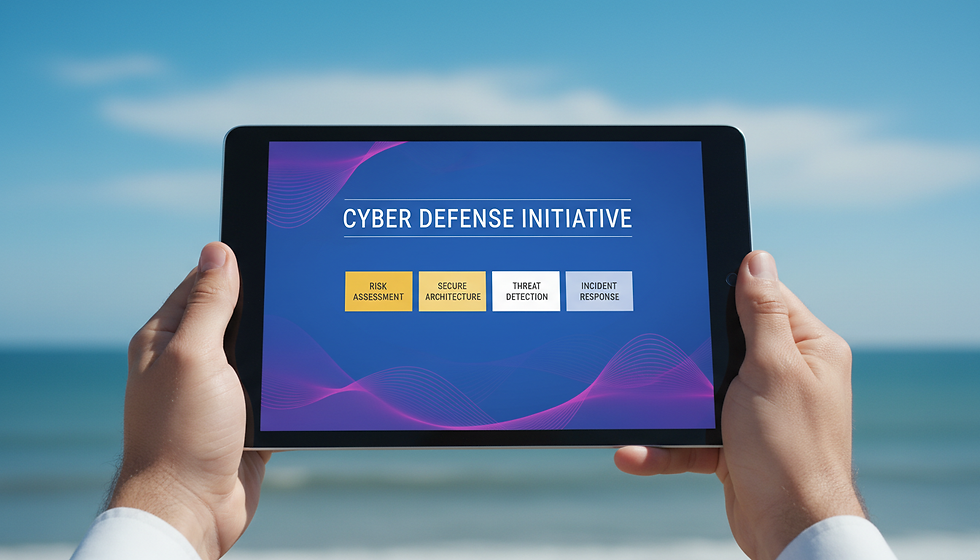
The Future of Cybersecurity with AI
The future looks promising as AI continues to evolve. Emerging technologies like machine learning and deep learning will make cybersecurity defenses even more robust. Imagine systems that not only detect threats but also predict and prevent them before they happen.
Moreover, AI will enhance collaboration between humans and machines. Security teams will receive actionable insights and recommendations, making decision-making faster and more accurate.
For those wondering about the impact, here’s a helpful resource on how ai is changing cybersecurity that dives deeper into this transformation.
As cyber threats grow in complexity, AI will be an essential ally in protecting digital assets and maintaining trust in technology.
Embracing AI for a Safer Digital World
AI is no longer optional in cybersecurity - it’s a necessity. By leveraging AI’s power, organizations can build stronger defenses, respond faster to incidents, and stay ahead of cybercriminals. The key is to approach AI integration thoughtfully and strategically.
With the right tools and mindset, AI can transform cybersecurity from a reactive challenge into a proactive advantage. The digital future is bright for those ready to embrace this change.


Comments